You have heard of the importance of ballast tanks if you are the owner of a ship. They hold your vessel firmly and evenly, and securely in the sea. There comes with it a grave responsibility for ballast water. As you absorb water on one side and release it on the other, you move organisms along the ballast. This is where it is necessary to have a ballast water treatment system.
When, therefore, do you need one? We will simplify it down to the basics.
What Is a Ballast Water Treatment System (BWTS)?
A ballast water treatment system, or sometimes referred to as a BWTS, is a system that treats ballast water prior to its discharge. The goal is simple. You should either eliminate or disable aquatic organisms and microorganisms before they damage other marine life.
As your ship empties water into the ballast tanks, it collects organisms. These are small aquatic life, microorganisms and even invasive species. When you introduce them into a new ecosystem, they can destroy marine organisms in that area.
Mixed filtration and disinfection are applied in the ballast water treatment systems. To begin with, a filter is used to eliminate bigger particles and sediment. Filtration aids in capturing debris, sediment, and larger organisms. The system then employs a treatment process, such as UV or ultraviolet light, to inactivate smaller microorganisms. Other systems involve a chemical disinfectant. Some use cavitation, ultrasonic waves, inert gas, or even nitrogen.
All ballast water management systems operate differently, though all systems follow a straightforward process of disinfecting or inactivating harmful organisms before discharge.
When Is a Ballast Water Management System (BWMS) Legally Required?
A ballast water management system will be required when your ship is subject to the rules of the International Maritime Organization (IMO).
The international standard is set by the International Convention for the Control and Management of the Ballast Water and Sediments of Ships. People might reduce this to the Convention on the Control and Management of Ballast Water. This is an international convention on the control of ballast water, requiring international ships operating in international waters to comply with stringent discharge requirements.
You are required to comply if your ship sails in foreign waters and carries ballast water. The International Maritime Organization also obligates ships to treat ballast water prior to discharge to minimise the risk of invasive species, which cause water pollution.
Compliance is typically associated with the survey schedule and certification of your vessel. When you are a global company, you are not very flexible. To have approved BWMS on board. The absence of it may result in fines from port authorities, the confinement of your vessels, or even the refusal to allow you to conduct your activities.
Do You Need a Ballast Water Treatment System Based on Your Vessel Type?
Yes, the type of vessel is important.
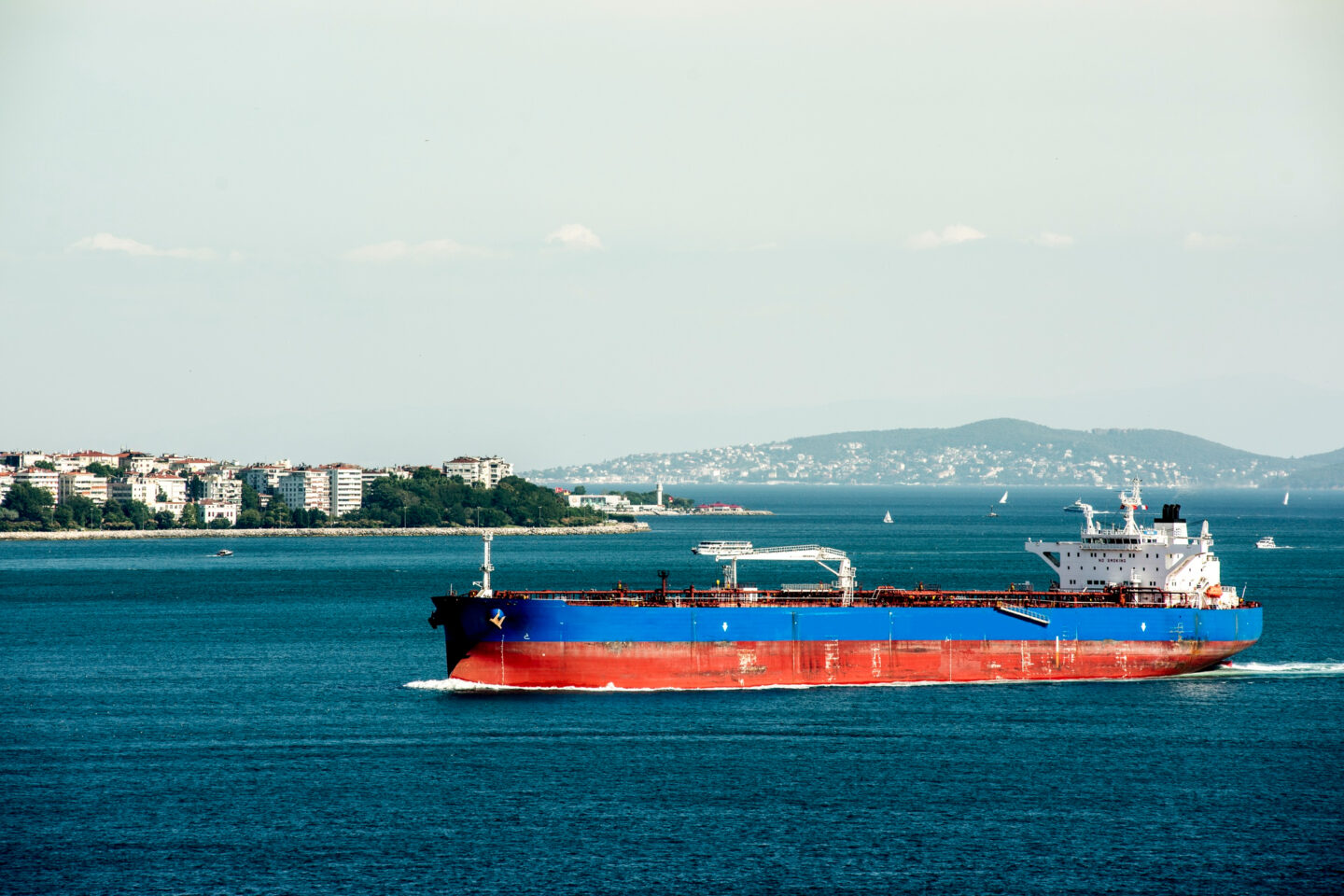
You may have bulk carriers, tankers, container ships or offshore support vessels, and therefore, in all of them, you might find that you are heavily dependent on ballast tanks in terms of ensuring stability. The bigger the amount of ballast water you have, the higher the responsibility to handle it properly.
You should also consider your paths. Your local authority might have different rules when you trade only in the domestic waters. However, once you cross international boundaries, you must adhere to IMO requirements.
The ballast water treatment you select depends on the size of your vessel, the space available on board, the power supply, and the operating pattern. There are ships with UV or ultraviolet systems. Some others can be appropriate for chemical disinfection or high-level filtration.
Simply put, when your ship absorbs ballast water and intends to discharge it in regulated waters, you must have a ballast water treatment system.
What Happens If You Don’t Install One?
By not following compliance, one runs grave dangers.
By introducing untreated ballast water and sediments, you introduce invasive organisms into new environments. Such aquatic organisms can interfere with fisheries, destroy local habitats, and reduce biodiversity.
In addition to environmental damage, you also face operational issues. You have port state control officers examine your ballast water management records. If they detect gaps or non-compliance, they can impose fines. They have the ability to postpone your cargo business. They are even able to impound your ship.
No operator seeks delays, penalties, and reputational loss. A proper ballast water management system is not only safe to the environment but also to your business.
How Do You Choose the Right Type of Ballast Water Treatment?
You don’t just pick any system. You select one that suits your ship and trade policy.
Begin with your flow rate, ballast capacity and onboard space. Then examine every treatment procedure.
Forced filtration eliminates coarse particles and organisms. UV or ultra-violet systems involve the inactivation of microorganisms by the use of light only, and no chemicals are used. Chemical systems use disinfectants to eliminate dangerous microorganisms. There are sophisticated systems that apply some form of cavitation or ultrasonic energy to destroy cell structures. Others use inert gases, such as nitrogen, to create conditions that cause the death or inactivation of marine life.
Ballast water treatment systems have their strong and weak points. Some systems require increased maintenance. There are those who need chemical processing. Some require more power supply.
Having chosen the appropriate BWTS, you will make the process of compliance easier and enhance everyday work.
Conclusion
When the vessel is loaded with ballast water and sails in international waters, a ballast water treatment system is needed. Strict control and management of the ballast water and sediments are required in the IMO and the international maritime framework. You can’t ignore these rules.
In addition to compliance, you safeguard marine ecosystems against invasive species and adverse microorganisms. You also save your ship, along with fines and losses.
When you are confused about what you need or the options available in the system, we are here to guide you. We evaluate your vessel, perform IMO compliance, and provide assistance to you with the appropriate BWMS solution at K-Marine. We can collaborate to ensure smooth operations and full compliance with your requirements.