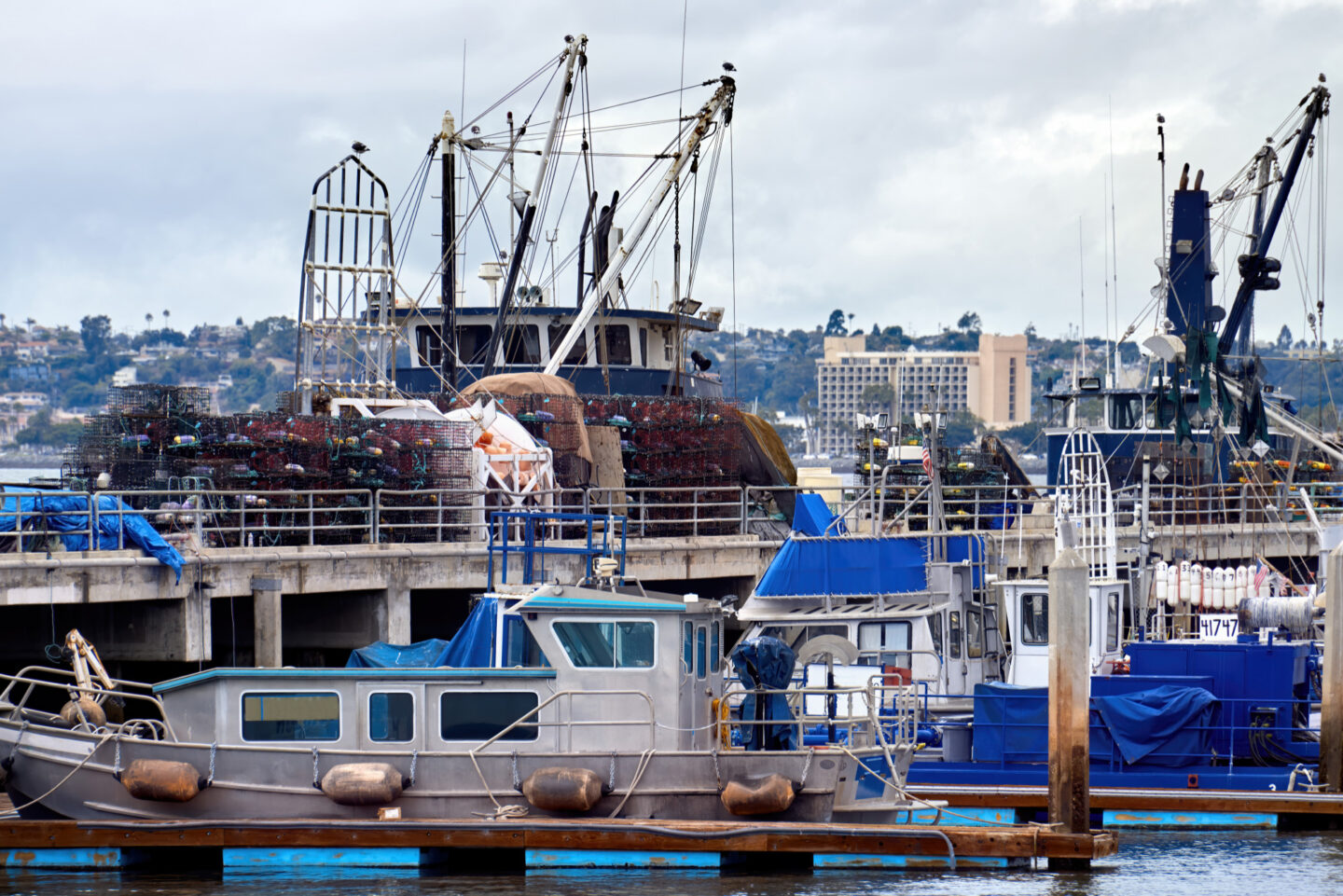
You know it, once you are a manager of a vessel, your hydraulic system keeps your business going. Your cranes lift. Your winches pull. Your steering responds. When your directional control valve block starts to fail, you feel it straight away.
You might notice slow movement, poor control, or uneven flow. Initially, you adapt and relocate. However, as time goes by, little problems end up becoming big. And that is when you have to pose yourself a straightforward question: should you change it, or should you make it custom?
We will divide it into a clear and practical manner.
What Your Directional Control Valve Block Actually Does
The valve block directing the flow of fluid in the hydraulic system is located in your directional control valve. It diverts the fluid released by the pump to the correct port, and it returns it. It controls the flow paths that drive your actuators.
Within the valve block, a spool moves to a different position. The movement of the spool dictates which port opens and which closes. When it shifts, fluid flow changes direction. Your cylinder extends. Your actuator retracts. Your equipment operates exactly how you expect.
Some systems use a poppet design instead of a spool. Others use a cartridge-style setup. No matter the design, the job stays the same — control fluid flow with precision.
On vessels, this control valve handles heavy-duty work. You rely on it for deck machinery, cargo gear, steering systems, and lifting equipment. If your hydraulic valve loses accuracy, you lose performance.
Warning Signs You Shouldn’t Ignore
Hydraulic issues rarely show up overnight. They build slowly. You just need to know what to watch for.
1. Inconsistent Flow Rates
If your flow rates change without reason, your control valve may struggle. You might see pressure drops in psi or slow response times. Your pump works harder, yet your actuator moves more slowly. That mismatch signals internal wear or poor switching.
2. Jerky or Delayed Movement
If your cylinder moves in steps rather than smoothly, your spool may stick. Worn components affect position accuracy. Poor control logic inside the valve block also affects performance. Over time, that lack of precision increases strain across your hydraulic system.
3. Electrical or Pneumatic Issues
Many marine systems operate electrically using a solenoid for switching. Others use pneumatic actuators or pilot control. If your electrical signals fail or your pneumatic control reacts slowly, your directional control valve won’t operate properly. You might also notice issues with a manual lever override.
When you see these signs, you need to act early.
Replace or Customise? Selecting the Right Strategy
Now comes the real decision — do you replace the whole valve block, or do you customise it?
You should consider full replacement if:
- The hydraulic valve has major internal wear.
- The pressure rating no longer meets your application requirements.
- The system struggles to handle modern automation demands.
- Spare parts for the cartridge or spool design no longer exist.
In these cases, a new directional control valve provides greater reliability. You gain control of flow, correct psi, and safeguard your hydraulic system from further damage.
Nevertheless, the replacement is not always the most appropriate.
Tailoring is reasonable when your ship functions in a manner which is not fully covered by standard systems. You might need better flow paths for heavy lifting. You might want faster electrical switching. You might need higher precision in actuator timing.
When you customise a valve block, you improve hydraulic control for your exact engineering application. You adjust flow rates. You fine-tune the spool position. You improve control logic for better system balance.
That approach often saves costs and improves long-term performance.
Understanding Your Valve Block Options
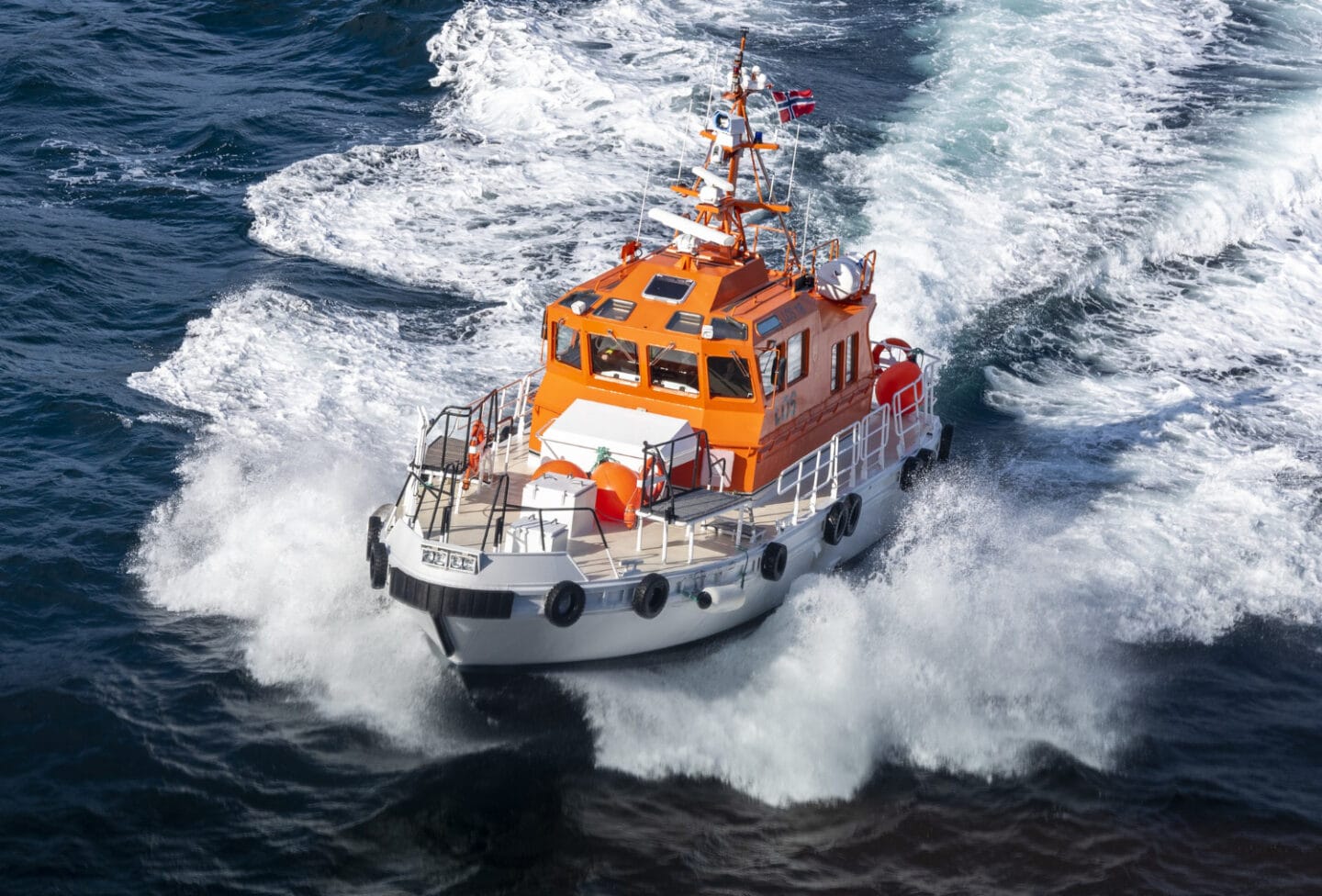
Not all valve blocks work the same way. You need to understand your setup before making changes.
Spool vs Poppet Design
A spool-based control valve enables smooth, continuous fluid flow. It suits systems that require gradual movement and accurate position control.
A poppet-style hydraulic valve seals tightly and handles higher pressure. It works well in applications where you need quick shut-off and high-pressure stability.
Cartridge Systems
A cartridge valve block makes servicing easier. You can remove and replace parts without changing the whole system. That setup improves maintenance planning and reduces downtime.
Electrically vs Pneumatically Actuated
Electrically actuated systems use a solenoid for switching. They suit vessels with strong electrical infrastructure and advanced automation.
Pneumatically controlled systems rely on pneumatic actuators and pilot pressure. They work well in environments where the electrical risk must stay low.
Your choice depends on your vessel’s industrial demands, control needs, and operating conditions.
How Customisation Improves Performance
When you redesign your hydraulic control layout, you gain more than just reliability. You gain better control.
You can optimise flow paths to reduce energy loss. You can match the pump output to the exact rate your actuator requires. You can improve switching response for smoother operation.
Better control reduces wear on cylinders, pumps, and valves. It also improves safety on deck. Your crew feels the difference immediately.
Modern marine automation also demands smarter hydraulic systems. If your current valve block struggles to support electrical upgrades or advanced control systems, custom engineering solves that gap.
Don’t Let Hydraulic Control Hold You Back
Your vessel depends on strong hydraulics. When your directional control valve block shows signs of weakness, you shouldn’t ignore it. Minor control issues grow fast in marine environments.
You don’t need to guess your next step.
At K-Marine, we help vessel owners and ship managers assess, replace, or customise hydraulic systems with confidence. We review your application, rating requirements, and operating demands. Then we recommend the right solution.
If you have more serious concerns about being more precise, gaining greater control, and achieving longer-lasting reliability, we should discuss them. We will also ensure your hydraulic system is as hard-working as you are.